-
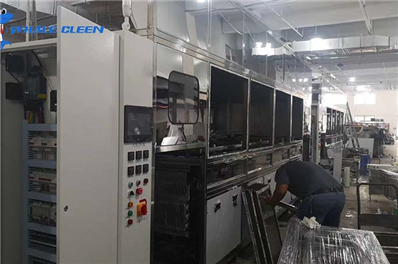 Ultrasonic Cleaning Machine: How to Remove Thick Oxide Scale Without Acid Pickling
Thick oxide scale is one of the most stubborn contaminants in industrial parts cleaning. It forms on steel, castings, forgings, and welded components after heat treatment, hot rolling, or high-temperature processing. In many plants, the default solution i
-
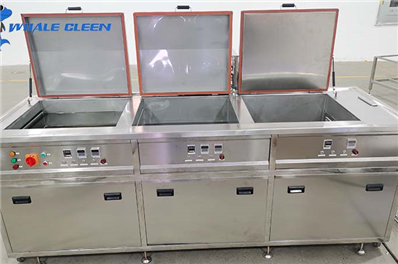 Which manufacturer is a good choice for an automatic ultrasonic cleaner and what are the application scenarios?
There are many types of automatic ultrasonic cleaning machines on the market, and different manufacturers have differences in product quality and service, etc. So, in the end, choose which manufacturer is better. Many consumers will have such questions be
-
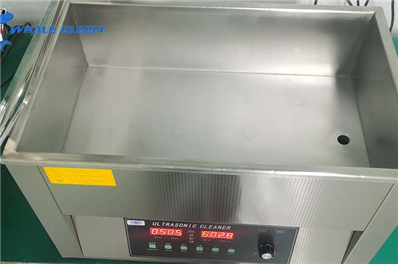 Use a medical ultrasonic cleaning machine to remove rust
Medical ultrasonic cleaning machine is non-polluting equipment, the whole process of rust removal is a pure physical cleaning process, safe and reliable, with no electromagnetic wave and radiation, and harmless to the human body. Besides, the rust-removin
-
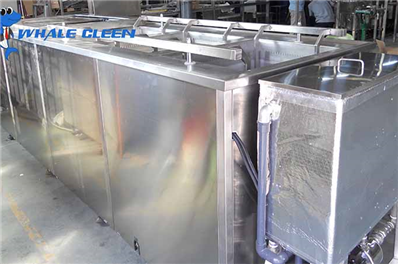 Ultrasonic Cleaner Intensity Testing: 5 Proven Methods for Accurate Measurement
1. Why Test Ultrasonic Cleaner Intensity? Impact on cleaning efficiency: Low intensity = poor contaminant removal; excessive intensity = part damage Industry standards: ISO 17223:2014 for ultrasonic power measurement
-
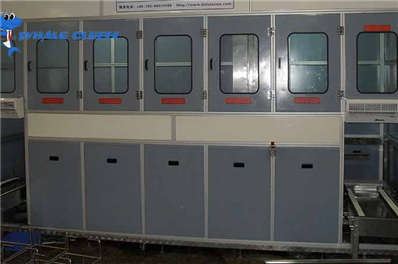 How to Maintain and Clean an Ultrasonic Cleaner: The Ultimate Care Guide
Industry studies show that 60% of ultrasonic cleaner failures result from improper maintenance. This 800+ word guide provides professional-grade care protocols used by laboratory technicians and industrial operators to keep cleaners performing like new.
-
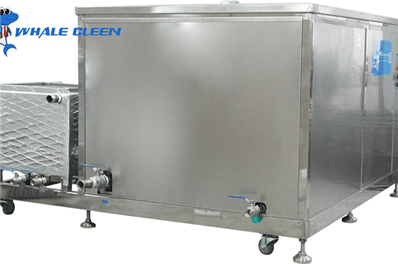 How Ultrasonic Cleaners Are Classified: A Comprehensive Guide to Types and Selection
Understanding Ultrasonic Cleaner Classification Criteria Ultrasonic cleaners are categorized by critical factors that determine their efficiency, compatibility, and suitability for specific tasks. Proper classification ensures optimal performance and l
-
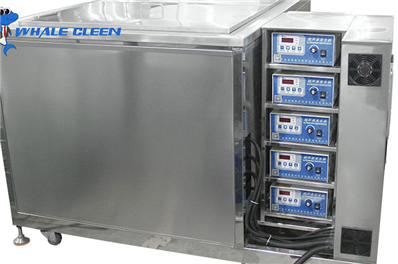 Why Don't Ultrasonic Cleaners Use Aluminum? Scientific Analysis and Practical Insights
Ultrasonic cleaners are widely used in industries, laboratories, and households for their ability to remove contaminants from intricate surfaces. However, one notable observation is that these devices rarely use aluminum in their critical components, such
-
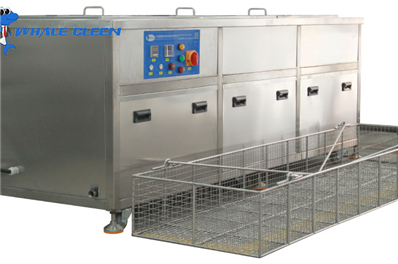 Why Do Ultrasonic Cleaners Cause Rust? Key Reasons and Prevention Strategies
Ultrasonic cleaners are widely used in industrial and precision cleaning due to their ability to remove contaminants from complex surfaces. However, users often encounter rust formation on processed metal parts, especially at the bottom. This article expl
-
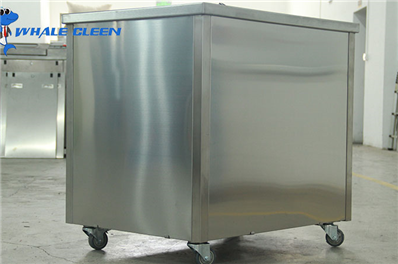 The Science Behind Choosing the Right Ultrasonic Cleaning Solutions
Ultrasonic cleaning has become a cornerstone in various industries due to its efficiency and precision in removing contaminants from surfaces. However, the effectiveness of ultrasonic cleaning largely depends on the type of cleaning solution used. This ar
-
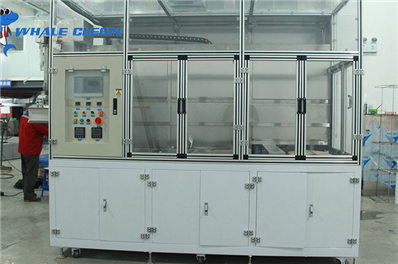 What to Pay Attention to When Repairing Ultrasonic Cleaners: A Comprehensive Guide
Ultrasonic cleaners are invaluable tools for both household and industrial cleaning tasks, offering efficient and thorough cleaning through high-frequency sound waves. However, like any other electronic device, they can encounter issues over time. Repairi
-
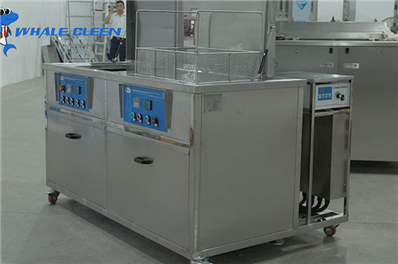 What Solutions Can Be Added to Ultrasonic Cleaners? A Professional Guide
Ultrasonic cleaners use high-frequency sound waves to generate cavitation bubbles that clean surfaces by dislodging contaminants. While the physical action of the sound waves is highly effective, adding the right solution can significantly enhance cleanin
-
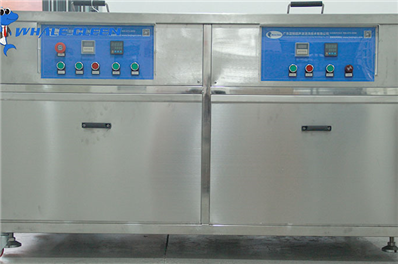 Understanding Advanced Ultrasonic Cleaning Machines: Features, Applications, and Advantages
Introduction An advanced ultrasonic cleaning machine represents the pinnacle of modern cleaning technology, designed for applications demanding exceptional precision, efficiency, and reliability. Unlike standard ultrasonic cleaners, advanced models int